Supportive, Balanced or Soft? Finding Your Sofa Comfort Level
A simple guide to choosing how you want your sofa to feel.
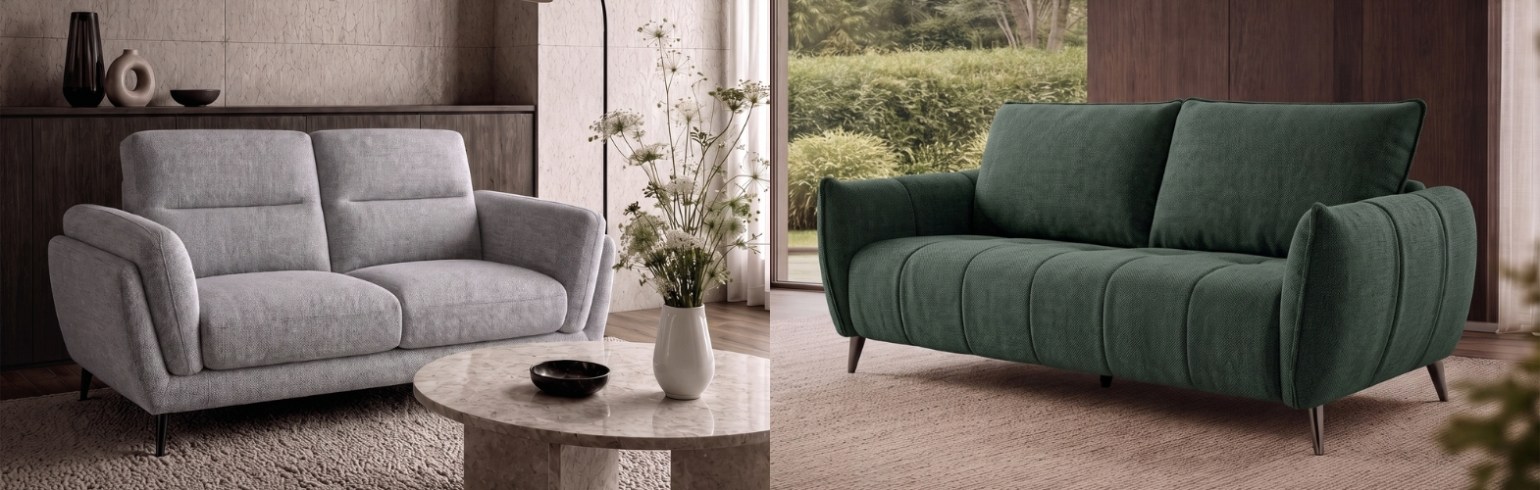
The way a sofa feels is every bit as important as the way it looks. You might prefer a firmer seat that keeps you comfortably upright, something with a little more give, or a deep, relaxed sofa that you can really sink into.
At Home Origins, we use three comfort levels to make those differences easier to understand: supportive, balanced and soft. Each describes the overall feel of the sit, from firmer and more structured through to deeper and more relaxed.
There is no right or wrong choice. The best comfort level is the one that suits how you naturally sit, how you use your living room and what feels comfortable for the people sharing your sofa.
What Do Our Sofa Comfort Levels Mean?
![]()
![]()
![]()
Supportive
A firmer, more structured sit that keeps you comfortably upright.
Balanced
A comfortable middle ground with support and a little more give.
Soft
Sink in and settle down with deep, relaxed comfort.
Firmness is only part of the story, though. Cushion fillings, springs, seat depth, back cushions and the overall shape of the sofa can all influence how a design feels once you sit down.
Supportive Sofas: Firmer and More Structured
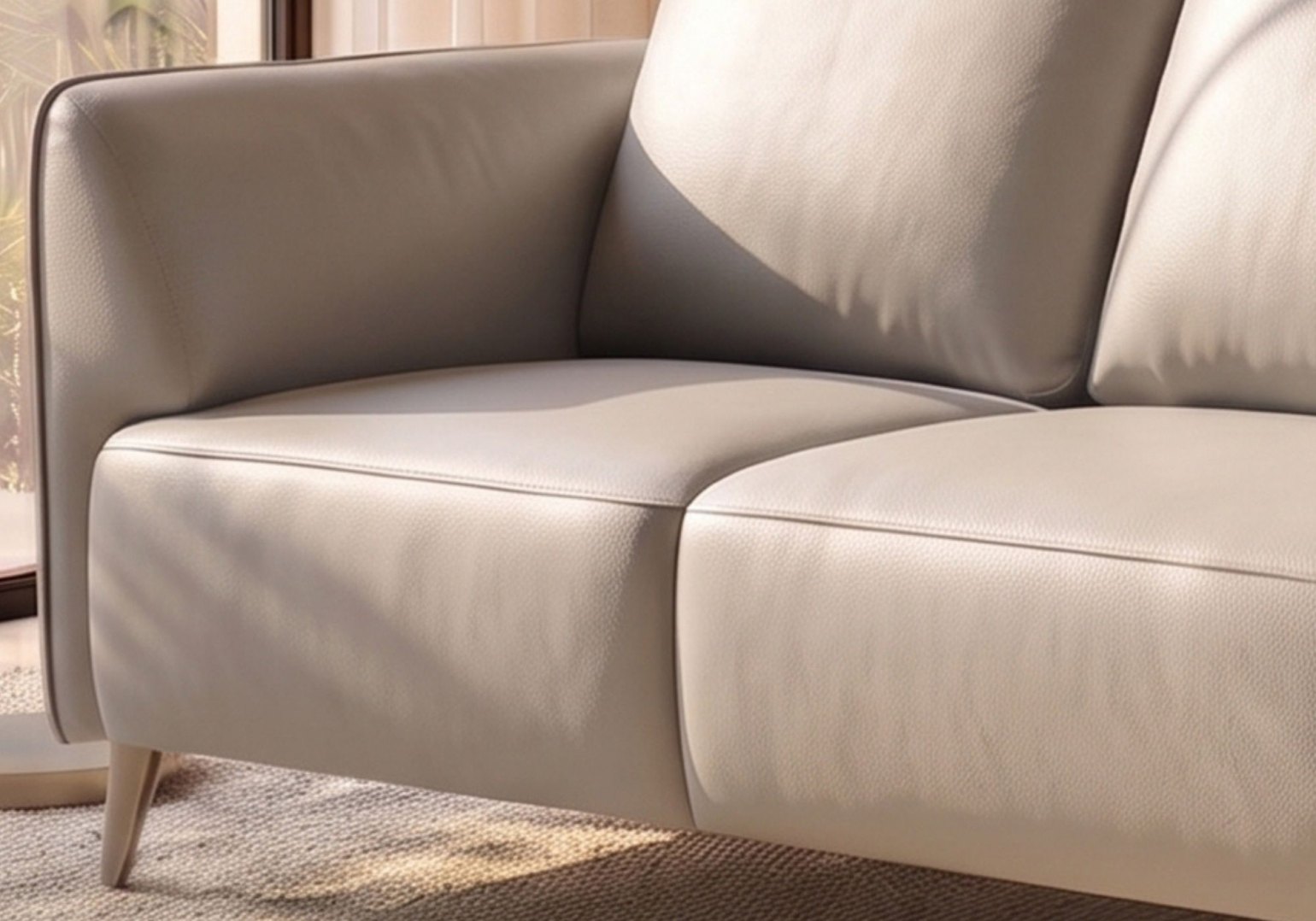
A supportive sofa is designed for people who prefer to feel comfortably held rather than sinking deeply into their seat.
The cushions have some give, but the overall feel is firmer and more structured. This can make supportive sofas particularly appealing if you naturally sit upright or want a sofa that keeps a neater shape throughout everyday use.
Supportive does not mean hard. It simply describes where the sofa sits on our comfort scale.
Collections including the Mara Collection, Elara Collection, Enzo Collection and Atlas Collection are designed to provide this firmer style of comfort.
Mara and Elara combine pocket sprung seating with foam and fibre cushioning alongside softer fibre filled back cushions. The result is structure through the seat with a more relaxed feeling as you settle back.
Balanced Sofas: Support With a Little More Give
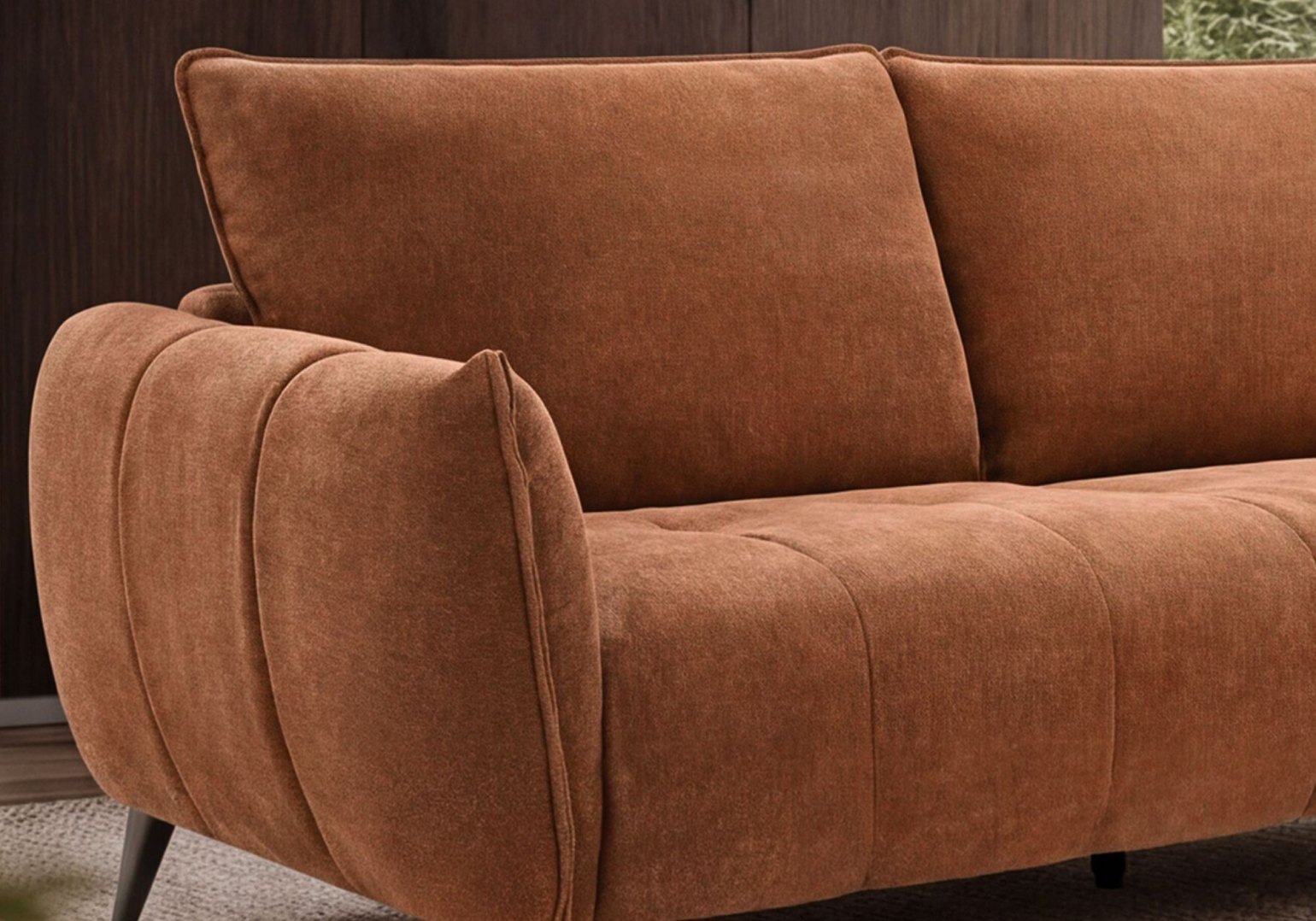
Balanced sits at the centre of the Home Origins comfort scale.
It is designed for those who still want to feel supported but would like a little more softness beneath them. When you sit down, there is more give than you would experience with a supportive sofa, allowing you to settle further into the cushioning without creating the deep sink associated with a soft sit.
It can also be worth considering if different people in your household have different ideas about comfort. One person may naturally prefer something firm while another heads straight towards a softer seat. Balanced provides an option between the two extremes.
You may sit upright with a coffee during the day before stretching out in front of the television later in the evening. A balanced sofa is intended to feel comfortable across both, combining enough structure for everyday sitting with additional give when you want to relax..
Soft Sofas: Deeper and Made for Sinking Into
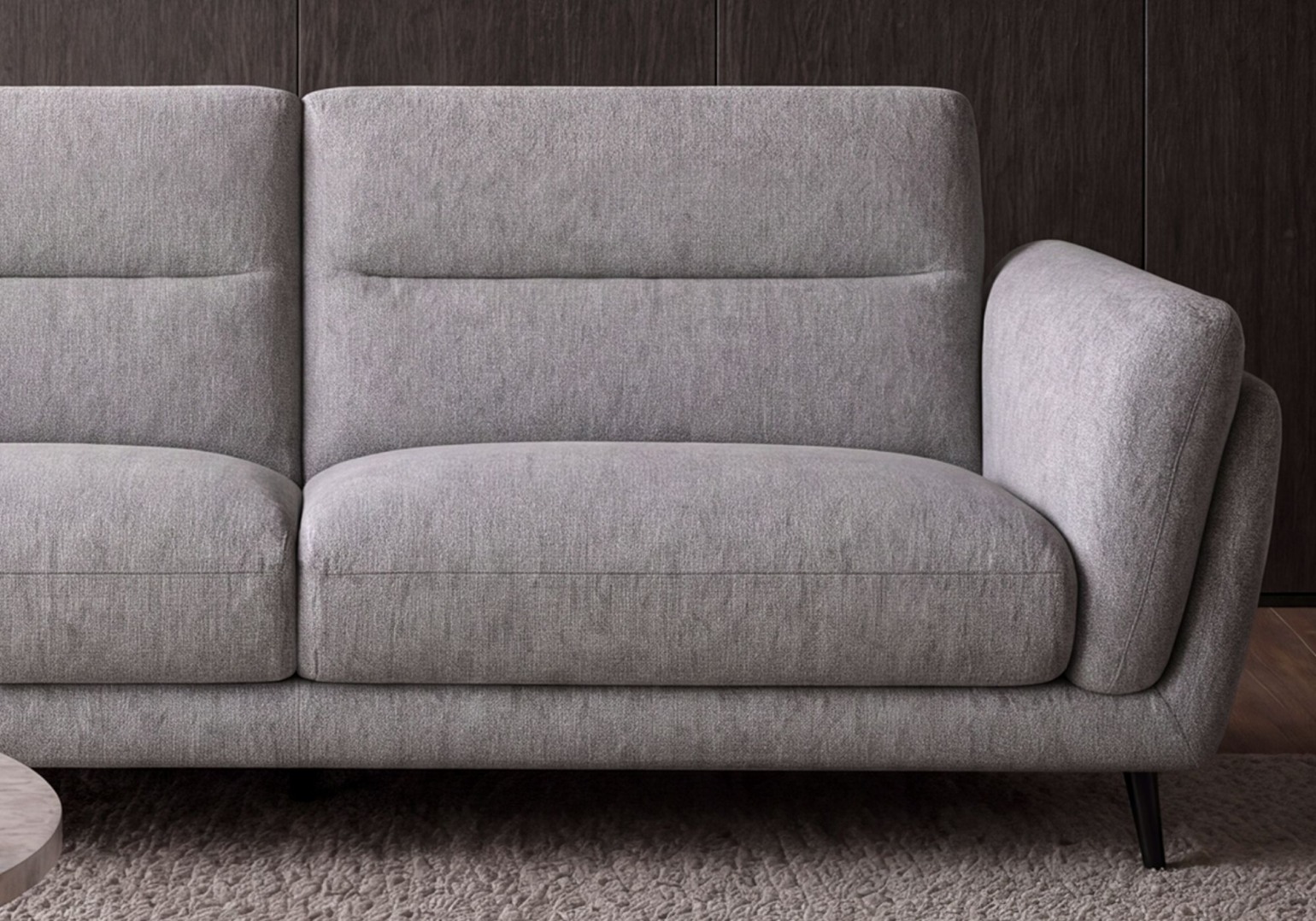
A soft sofa is designed with relaxing firmly in mind. Rather than sitting mainly on top of the cushions, you settle further into them as the filling gives around you.
This style of comfort is particularly suited to people who like curling up with a book, stretching out during a film or spending long evenings relaxing in the living room.
Softer comfort can be created using feather or feather like cushioning which has more movement than the denser foam typically associated with a firmer seat. As you sit down, the filling shifts around you to create a fuller and more cushioned sensation.
Where supportive cushions tend to keep cleaner and more defined lines, softer cushions naturally settle, crease and change shape during use. For many people, that slightly more relaxed appearance is part of the appeal.
If you love an inviting sofa that looks ready to curl up on and you are happy to give the cushions some regular attention, a soft comfort level could suit the way you live.
What Actually Makes One Sofa Feel Different From Another?
Two sofas might look equally soft in a photograph but feel very different once you sit down.
The seat filling plays an important role. Higher density foam can provide more structure while fibre can introduce additional cushioning. Softer or feather like fillings tend to move more freely as you sit which creates a deeper feeling.
Springs beneath the cushions can also influence the response of the seat. Pocket sprung designs respond as pressure is applied while helping to maintain support across the cushion.
A sofa can have a supportive seat alongside softer fibre filled backs, giving you structure underneath while still feeling comfortable as you lean back. This is why the comfort level is best treated as an overall guide rather than an indication that every sofa within a category is constructed in exactly the same way.
Seat depth, back height and arm shape can change the experience further. A deep, low sofa can naturally encourage lounging while a more upright design may feel structured even when there is softness within the cushioning.
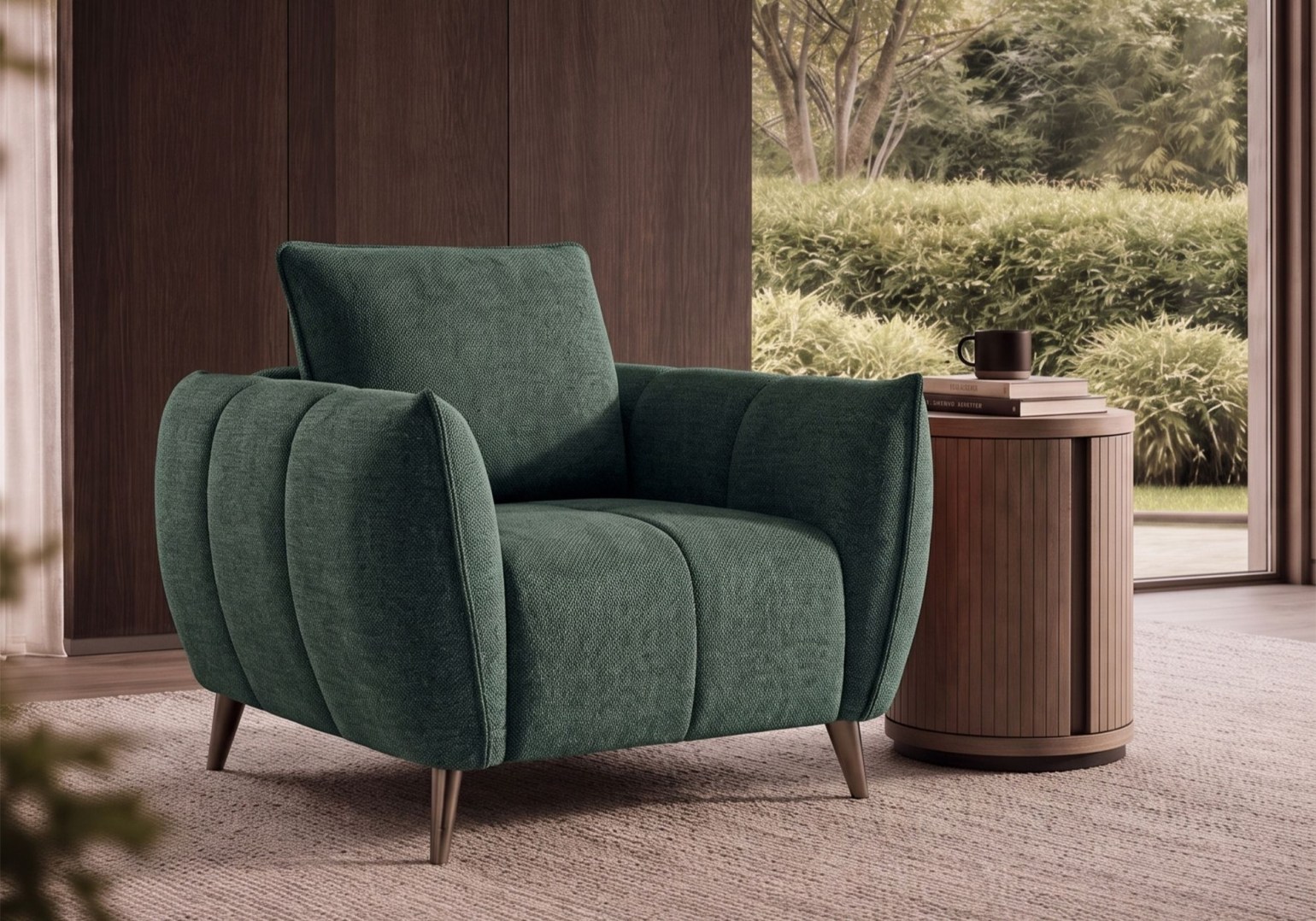
How Do You Usually Sit on Your Sofa?
When deciding between supportive, balanced and soft, it can help to forget about furniture for a moment and think about your normal day.
If you tend to sit upright when chatting, reading or watching television, a supportive sofa may feel most natural.
If your sofa needs to move easily between upright sitting and relaxed evenings, balanced may offer the flexibility you are looking for.
If your sofa is primarily somewhere to switch off, curl up and spend several hours relaxing, soft may be closer to your idea of comfort.
Think about everyone who regularly uses the room too. Sofa comfort is personal, so the right choice for a shared living space may be different from the seat you would choose for yourself alone.
- 27th August 2026